Navigating the Conversation Around Cannabis for Pets: What Pet Parents Should Know
I have been around animals my whole life. I have seen dogs tremble through thunderstorms and cats hide from visitors for days. When I first heard about cannabis for pets, I was skeptical. It sounded like a fad, something that might do more harm than good. But as I started digging into the research and speaking with veterinarians and pet owners, I realized there is a real conversation happening here. It is not about getting your pet high. It is about targeted wellness support, especially for animals dealing with chronic anxiety, pain, or age-related decline.
The confusion starts with the plant itself. Cannabis contains hundreds of compounds, and the two most famous ones are tetrahydrocannabinol, or THC, and cannabidiol, or CBD. THC is the psychoactive component that produces a euphoric effect in humans. CBD, on the other hand, is non-psychoactive and interacts with the body in a more subtle way. When people talk about cannabis for pets, they are almost always talking about products that are high in CBD and very low in THC. The presence of THC in any meaningful amount is dangerous for animals and should be avoided. That distinction is critical.
How CBD Works in an Animal's Body
Every mammal has an endocannabinoid system. This is a network of receptors and signaling molecules that helps regulate mood, appetite, pain perception, and immune response. When an animal experiences stress or injury, the endocannabinoid system kicks in to restore balance. Phytocannabinoids, which are plant-based cannabinoids like CBD, can support that system without causing intoxication. That is why CBD oil and hemp-derived CBD have become popular ingredients in pet wellness products.
I have seen it work firsthand. A friend of mine has a rescue Border Collie with severe canine anxiety. The dog would pace, drool, and refuse food during thunderstorms. After a few weeks of using a CBD oil formulated for pets, the dog still noticed the storm but stayed calm. He lay down by the couch instead of hiding under it. That is not a cure. It is management. And for many pet owners, that is exactly what they need.
The Difference Between Pet CBD and Human CBD Products
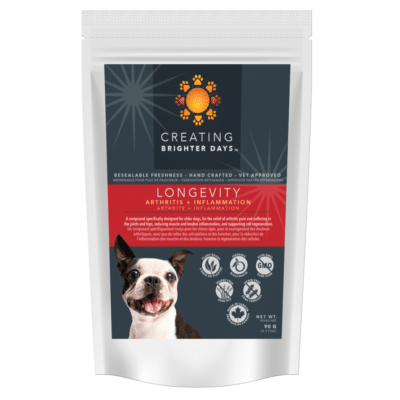
Not all CBD is created equal. Pet CBD products are formulated with animal safety in mind. They use precise dosing guidelines that account for body weight and species differences. A human CBD tincture might contain additives like xylitol, which is toxic to dogs, or essential oils that are safe for people but harmful to cats. That is why you should never give your pet a product meant for humans. Stick to products specifically labeled for animals, such as hemp treats or nutraceutical chews designed for pets.
Kush Station, for example, carries a line of pet health products including nutraceutical pet treats. These are not the same as the cannabis products they sell for human use. The pet treats are formulated with hemp-derived CBD and other supportive ingredients like chamomile and melatonin. They are designed to support feline wellness and canine calm without any psychoactive effects. The company is careful to separate its human and pet lines, which is exactly the kind of approach I look for when recommending a brand.
What the Science Says About Veterinary Cannabis
The American Veterinary Medical Association has taken a cautious stance on veterinary cannabis. They do not endorse it as a treatment, but they also do not prohibit veterinarians from discussing it with clients. The AVMA acknowledges that the endocannabinoid system exists in animals and that CBD shows promise for conditions like osteoarthritis and anxiety. However, they stress the lack of large-scale clinical trials and the risk of accidental THC poisoning. This is a field where the science is still catching up to the demand.
One area of active research is the concept of canine endocannabinoid deficiency. Just like humans, some dogs may have a chronically underactive endocannabinoid system. This could manifest as anxiety, inflammation, or poor appetite. By supplementing with phytocannabinoids, you may help bring that system back into balance. Studies on pet pharmacokinetics have shown that CBD is absorbed and metabolized differently in dogs than in humans. Dogs have more CB1 receptors in their brain, which is why even small amounts of THC can cause severe reactions. That is why dosing is so important.
Practical Considerations for Pet Owners
If you are considering cannabis for pets, start with a conversation with your veterinarian. Not all vets are knowledgeable about CBD, but many are open to learning. Bring in the product you are considering and ask for their honest opinion. Look for third-party testing certificates that verify the THC content is below 0.3 percent. That is the legal threshold for hemp-derived CBD and a safe benchmark for pets.
Start with a low dose and monitor your pet for changes. Some animals respond within minutes, while others take a week or more to show noticeable improvement. Keep a journal of behavior, appetite, and energy levels. If you see negative effects like lethargy, vomiting, or unusual panting, stop immediately and consult your vet. Pet safety has to come first.
Common Conditions That May Benefit
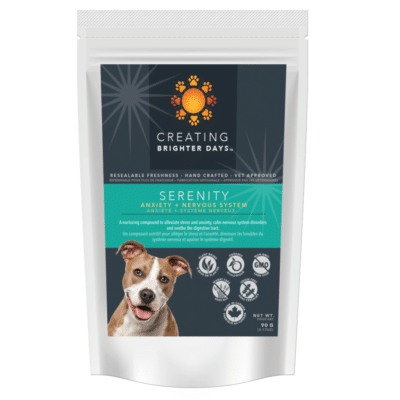
- Canine anxiety from separation, noise, or travel
- Joint stiffness and age-related discomfort in older dogs
- Feline wellness support for stress during vet visits or home changes
- Appetite stimulation for animals recovering from illness
- Skin and coat health when combined with omega fatty acids
These are not guarantees. Every animal is different. What works for one dog may do nothing for another. That is frustrating but normal. The goal is not to replace traditional veterinary care but to complement it with a gentle, plant-based option.
The Role of Nutraceutical Chews and Edible Treats
The most popular delivery method for pet CBD is the nutraceutical chew. These are soft, flavored treats that contain a measured dose of hemp-derived CBD along with other functional ingredients. I have seen products that include turmeric for inflammation, melatonin for sleep support, and probiotics for digestive health. They are convenient and easy to dose. You do not have to measure drops or worry about a finicky cat refusing a dropper.
Another option is edible treats that are baked or dehydrated with CBD oil infused into the recipe. These tend to be less precise in dosing but are often more palatable for picky eaters. Some companies also offer tinctures that can be added to food or water. The key is to choose a product that matches your pet's temperament and your own comfort level with handling oils and syrups.
I have also seen products labeled as pet focus herbals. These combine CBD with herbs like valerian root, chamomile, and lemon balm. They are not psychoactive but are designed to support a calm and focused state. For an excitable dog who struggles to settle down for training or car rides, these blends can be very helpful. They are not a substitute for training, but they can make the process easier for both of you.
Safety First: What to Avoid
Do not buy cheap, unlabeled products from online marketplaces or gas stations. You have no idea what is in them. Some have been found to contain synthetic cannabinoids or heavy metals. Always buy from a reputable source. Companies like Kush Station that specialize in both human and pet cannabis products tend to have higher quality control and more transparent labeling.
Do not assume that because a product is natural, it is safe. Even hemp treats can cause digestive upset if given in excess. Follow the manufacturer's dosing guidelines and adjust based on your pet's response. If you have a cat, be especially careful. Cats are more sensitive to CBD and may require a different formulation. There is less research on feline wellness and CBD than there is for dogs, so proceed with extra caution.

Final Thoughts on a Growing Field
The conversation around cannabis for pets is still evolving. Five years ago, most vets would have told you to avoid it entirely. Today, many are open to discussing it as an option for specific conditions. The neuroprotective properties of CBD are especially promising for older animals dealing with cognitive decline. And as more pet owners share their positive experiences, the industry will continue to grow and refine its products.
I do not believe that cannabis is a miracle cure for pets. But I do believe it has a place in a comprehensive wellness plan, especially for animals that do not respond well to conventional medications. If you approach it with caution, education, and a willingness to listen to your pet, you may find that it makes a meaningful difference. Just remember: your pet cannot tell you how they feel, so it is up to you to observe, adjust, and advocate for their comfort.